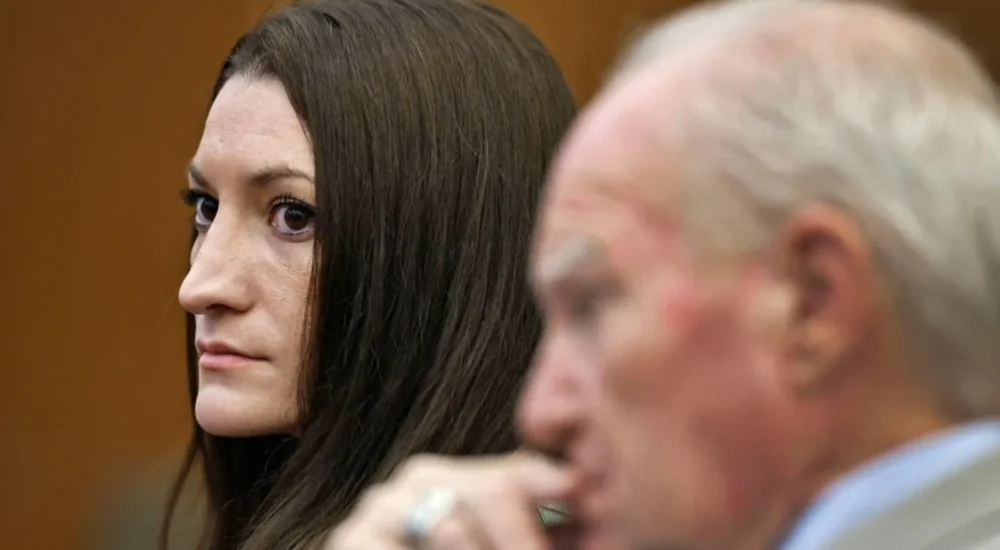
PLYMOUTH, MA — Jurors in the closely watched Lindsay Clancy trial began deliberating this week and still had not reached a verdict by Friday evening. The case centers on whether Clancy, a former labor and delivery nurse, should be held criminally responsible for the deaths of her three young children at her Massachusetts home in 2023.
Both sides agree Clancy carried out the killings. The dispute is over intent and mental state: her lawyers say postpartum psychosis and inadequate mental health care left her unable to fully understand what she was doing, while prosecutors say she planned the killings deliberately. If jurors convict her, she could face a sentence as severe as life in prison.
Key Trial Evidence
Over five weeks, jurors heard from doctors, first responders, relatives, friends and co-workers, along with Clancy’s former husband, Patrick Clancy. His testimony described the day he came home to find an unusually quiet house, blood in the main bedroom and a window open after he had been sent out to get takeout and medication for one of the children.
Jurors also heard the 911 call he made after finding his wife outside in the snow and then discovering the children in the basement. On the call, he is heard speaking to his wife before shouting, “She killed the kids!” as the dispatcher asks what happened. That recording became one of the central pieces of evidence presented during the trial.
Mental Health Dispute
Much of the testimony focused on Clancy’s mental health after the birth of her youngest child, Callan. Her mother, mother-in-law, sister and others described anxiety, paranoia, insomnia, poor appetite and suicidal thoughts. Susan Clancy testified that Lindsay Clancy was begging for help and that the psychiatric care she received was not helping.
Defense lawyer Kevin Reddington said she was misdiagnosed and overmedicated, and he questioned psychiatrist Dr. Jennifer Tufts about treatment decisions and short video appointments. Prosecutors pushed back, saying the mental health evidence did not excuse the killings. In rebuttal, psychologist Kirk Heilbrun testified that he did not believe Clancy hallucinated voices, and FBI psychiatrist Dr. Gregory Saathoff said she had the ability to know right from wrong.
What Comes Next
After testimony ended, each side was given about an hour for closing arguments. Reddington argued that poor medical care and medication played a major role in what happened, while prosecutor Jennifer Sprague told jurors that criticism of the mental health system was a distraction from Clancy’s choices.
The jury’s task now is to decide whether the defense’s mental illness argument raises reasonable doubt or whether prosecutors proved criminal intent. The trial is being heard in Plymouth, and a verdict could determine whether Clancy is convicted and sent to prison or found not guilty and potentially released or confined to a mental health facility.
More on health, care, money and the people nearby, on Westlake Arrow.