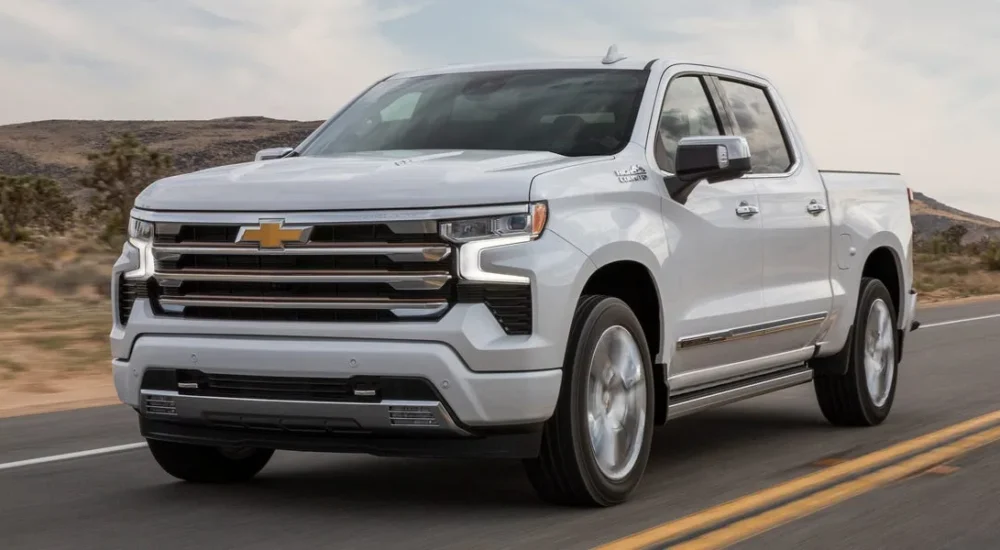
WASHINGTON, DC — Federal safety regulators have opened a new investigation into General Motors’ 6.2-liter V-8 after receiving hundreds of complaints that some engines continued to fail even after a recall remedy. The National Highway Traffic Safety Administration’s Office of Defects Investigation said the review covers recall 25V-274 and now reaches beyond the original production window.
The agency said it had 499 reports of post-remedy engine failures as of August 20. GM separately told regulators it had received 6,953 complaints about the same problem. The engines involved are the L87 V-8s used in full-size trucks and SUVs, and the initial recall covered 597,630 vehicles in the United States.
What Regulators Found
NHTSA said the investigation is an engineering analysis of the recall remedy and whether it addressed the defect that can lead to catastrophic engine failure. The original recall cited manufacturing problems with the crankshaft and connecting rods. Under the recall fix, engines that passed inspection received a higher-viscosity oil recommendation, a new oil fill cap and an oil filter replacement.
Engines that did not pass inspection were replaced. Even so, the agency said it has continued to receive allegations of failures after repairs. Of the 499 complaints logged by ODI, 473 involved vehicles that received the updated oil recommendation, while 26 involved engines that were replaced.
How The Problem Grew
The review did not begin in a vacuum. GM’s 6.2-liter V-8 has been under scrutiny for more than a year, and a class-action lawsuit filed last year accused the company of selling vehicles with defective engines. Earlier this year, GM changed the recommended oil viscosity for the L87, marking the second time it adjusted the oil guidance tied to the recall.
NHTSA also said it learned of 191 additional failures in engines made outside the original recall production range, which is why the ODI expanded the investigation. That expansion means regulators are now looking not only at recalled vehicles, but also at similar engines built beyond the dates first named in the safety action.
What Owners Can Check
Owners of affected GM trucks and SUVs can follow the investigation through NHTSA’s Office of Defects Investigation and the recall file for 25V-274. The agency has not said when the engineering analysis will be completed, but it is continuing to collect complaints and review whether the earlier remedy was enough to stop the failures.
For now, the federal review puts renewed attention on a defect that has already prompted one recall, one round of repair changes and a wider examination of engines built outside the original recall period. GM has not been shown to have resolved the issue, and regulators are still gathering information from affected drivers and vehicles.
More on health, care, money and the people nearby, on Westlake Arrow.