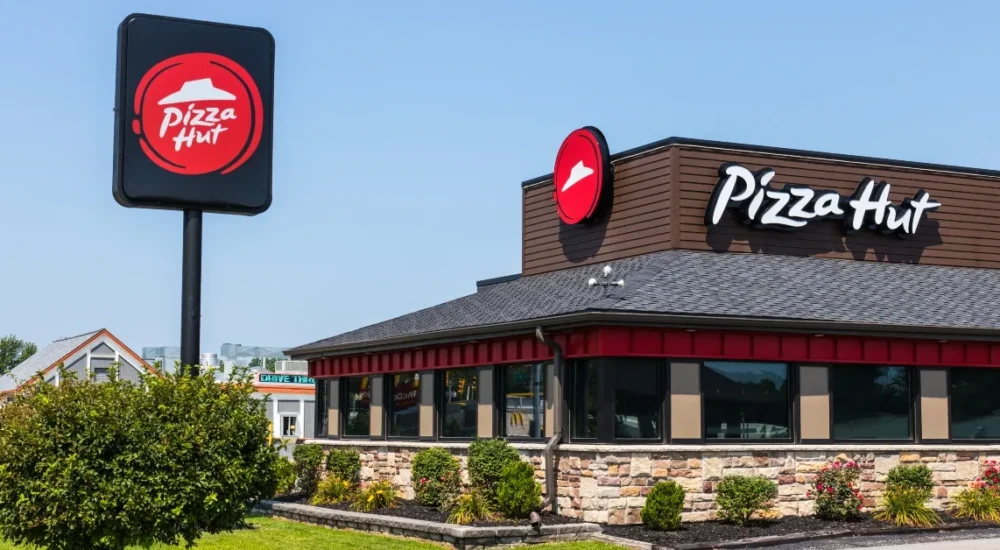
WASHINGTON, DC — Three major pizza chains are cutting back on stores as they respond to higher labor and ingredient costs, tougher competition, and customers spending more carefully. Papa John’s, Pizza Hut and Papa Murphy’s have each outlined closures or reductions that together add up to hundreds of restaurants over the next several months and into 2027.
The changes do not mean the brands are disappearing. Instead, the companies are concentrating on stronger locations and pulling back from underperforming sites. In most cases, they have not released full lists of the restaurants that may close, so customers are left checking with individual locations and official company channels for the latest status.
What The Chains Announced
Papa John’s has said it plans to close as many as 300 restaurants by the end of 2027. Company executives said about 200 of those closures are expected by the end of 2026, with the rest potentially following in 2027. The company has described the move as a way to improve overall business health while continuing to invest in stores that are performing better.
Pizza Hut has already completed one of the largest cutbacks, with roughly 250 restaurants shuttered during the first half of 2026. Papa Murphy’s parent company, MTY Food Group, said it plans to close up to 50 corporate-owned restaurants starting in mid-July, with the reductions aimed at removing weaker locations from the system.
Why Closures Are Rising
The common thread across the three chains is pressure on restaurant economics. Higher wages, rent, utilities, insurance and food costs have made it harder for weaker stores to stay profitable. At the same time, customers have become more price-sensitive, so chains are leaning harder on promotions, bundle deals and loyalty programs to win orders.
Competition has also intensified. Pizza brands are not just fighting each other for dinner dollars; they are also up against independent pizzerias, grocery store prepared meals, warehouse club food courts and fast-casual restaurants. That wider field of options has pushed many operators to trim stores that no longer bring in enough sales to justify their costs.
What Customers Should Check
The companies generally have not published complete lists of affected locations, so a closure announcement does not automatically mean a neighborhood store is shutting down. Some communities may see no changes at all, while others could lose one or more restaurants depending on local performance and ownership structure.
Customers who want to confirm a specific store can check the chain’s website or mobile app, or call the location directly. The brands are also continuing to push digital ordering, carryout, delivery and loyalty rewards, so official channels are likely to be the most reliable place to watch for updates on hours, offers and store status.
More on health, care, money and the people nearby, on Westlake Arrow.