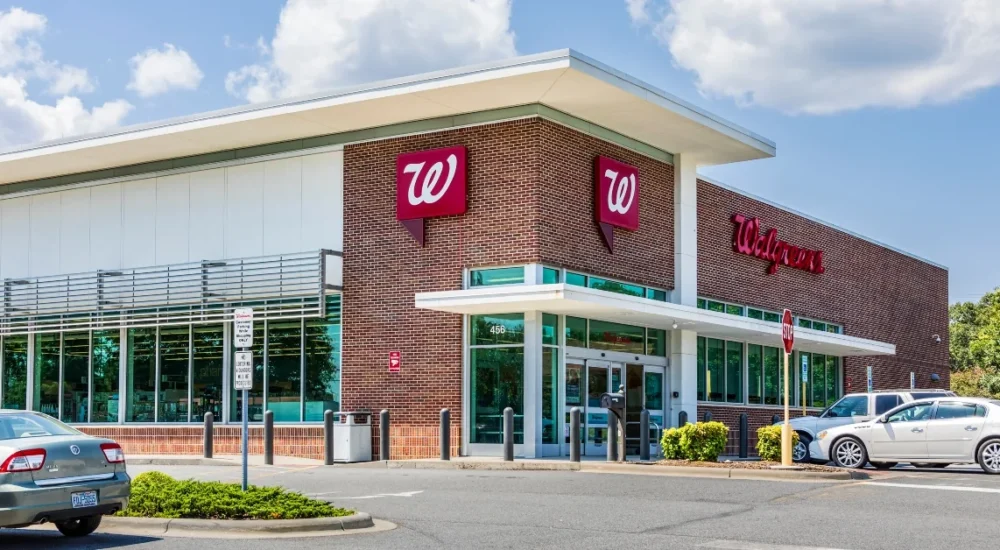
WASHINGTON, DC — Walgreens is backing away from the sweeping U.S. store closure plan it announced in late 2024, when it said roughly a quarter of its 8,700 stores were unprofitable and it expected to close 1,200 locations over three years.
The company also said at the time that 500 stores could disappear in the first 12 months. That forecast has since changed, and Walgreens now expects fewer than 100 closures in 2026, a much smaller figure than earlier projections.
What Walgreens Has Said
According to the company’s updated outlook, Walgreens now operates about 8,000 U.S. locations, down from roughly 8,500 when Sycamore Partners bought the chain and took it private in August 2025. The new ownership appears to have changed the store-culling strategy that Walgreens had laid out before the buyout.
Walgreens has not released a national master list or an official 2026 closure schedule. Instead, local news reports and other press coverage have identified about 15 confirmed shutdowns across roughly a dozen states and Washington, D.C. Those reports provide a snapshot, but they are not the company’s official roster.
Why The Plan Changed
Walgreens originally said it wanted to close weaker stores, including locations losing money and stores tied to leases nearing renewal. The company was trying to shore up stronger locations while dealing with lower prescription reimbursements, online competition, lighter foot traffic and theft.
Sycamore Partners, a private equity firm with experience investing in retail and consumer businesses, has now taken ownership and appears to have pushed the chain toward a slower pace of closures. The firm has also invested in companies including Staples, Talbot’s, Nine West and The Limited.
What Customers Should Watch
If a local Walgreens closes, prescriptions are typically transferred automatically to the nearest open Walgreens, and the company has also announced limited prescription delivery service after certain closures. That gives customers some time to adjust, but it also means checking where refills will go before the next pickup.
Walgreens says customers should confirm a store’s status on its website or by calling the location directly. People who rely on a nearby pharmacy may also want to verify insurance transfer details and consider whether another Walgreens, a grocery or big-box pharmacy, an independent drugstore or mail-order option is a better fit.
More on health, care, money and the people nearby, on Westlake Arrow.